


1535nm laser infrared measurement & 6km rangefinder sensor
Oct 10, 2025
The 1535nm laser infrared measurement technology has emerged as a game-changer in the field of long-distance ranging, particularly with its 6km rangefinder sensor. This advanced laser system harnesses the unique properties of infrared light to deliver precise and reliable measurements over extended distances, making it ideal for various applications ranging from defense operations to environmental monitoring. With its remarkable accuracy, durability, and reduced sensitivity to atmospheric interference, the 1535nm rangefinder sensor is quickly becoming a preferred choice for professionals seeking effective solutions in challenging environments. This article will explore the key features, applications, and advantages of this cutting-edge technology, as well as its future potential in the realm of laser measurement.
Overview of 1535nm Laser Infrared Technology
What is 1535nm Laser Technology?
1535nm laser technology operates in the infrared spectrum, which means it's like the superhero of light wavelengths-invisible to the naked eye but highly effective for a range of applications. This specific wavelength strikes a balance between the need for penetration in various atmospheric conditions and the ability to accurately gauge distances without being easily absorbed by particles or water vapor. Think of it as the Goldilocks of lasers-just right!
Principles of Infrared Measurement
Infrared measurement involves sending out a laser pulse and measuring the time it takes for the reflection to bounce back from an object. This time-of-flight calculation allows for precise distance estimation. The 1535nm wavelength is particularly adept at minimizing scattering and absorption, which ensures the laser beam travels far and stays on target. Essentially, it's like using a high-tech boomerang that always comes back with the correct distance-even from 6 kilometers away!
Key Features of the 6km Rangefinder Sensor
Measurement Accuracy and Precision
Equipped with high-tech sensors and algorithms, the 6km rangefinder boasts remarkable accuracy. Whether you're measuring the distance to a distant mountain or just your neighbor's fence, it delivers reliable results with minimal margin for error. It's the kind of precision that would make even a mathematician's heart flutter!
Durability and Environmental Resistance
This rangefinder isn't just a pretty face; it's built tough. Designed to withstand harsh elements-think rain, dust, and extreme temperatures-it ensures consistent performance no matter what Mother Nature throws its way. So whether you're caught in a downpour or scaling a mountain, this sensor will keep doing its job without a hitch.
Size and Portability
Lightweight and compact, the 6km rangefinder fits snugly in your hand or backpack, making it perfect for both adventurous fieldwork and everyday convenience. It's like the Swiss Army knife of measurement tools-small but mighty, making it easy to take your laser-sharp vision wherever you go!

Applications of 1535nm Laser Rangefinders
Defense Uses
1535nm laser rangefinders have become indispensable tools in defense operations. Whether for targeting, reconnaissance, or ensuring safe navigation, their precision helps to make informed decisions. It's like having a trusty sidekick that always knows the lay of the land-minus the cape!
Industrial Applications
In the industrial sector, these rangefinders are used for everything from surveying sites to monitoring equipment distances. They enhance efficiency and safety, ensuring that workers can verify measurements quickly and accurately. It's like having a laser-focused assistant who never gets tired and always gives you the right numbers.
Environmental Monitoring
Environmental scientists love the 1535nm technology for its ability to measure distances between landforms and assess ecological changes over time. It supports conservation efforts by providing accurate data on everything from wildlife habitats to forest density. This technology is essentially Mother Nature's favorite gadget for getting the lowdown on her ecosystem.
Advantages of Infrared Measurement in Long-Distance Ranging
Reduced Atmospheric Interference
One of the standout benefits of using 1535nm lasers is their impressive resistance to atmospheric interference. Unlike other wavelengths that might get distracted by fog or rain, these lasers maintain clarity over long distances, making them reliable even in less-than-ideal weather conditions. It's like having an umbrella for your measurements-keeping everything clear and dry!
Enhanced Target Detection
The precision of infrared measurement allows for better target detection, particularly in cluttered environments. Whether tracking wildlife or mapping terrains, the 1535nm rangefinder can spot what others might miss. Consider it your 'eagle eye'-able to pick up on details from afar, helping you spot that elusive target without breaking a sweat.
Safety in Various Environments
Using infrared technology elevates safety by allowing for assessments from a distance, reducing the risk of accidents in hazardous environments. By providing accurate measurements without the need for close proximity, it's like having an invisible safety net that lets you work smarter instead of harder. With this tech, you can keep your distance and your peace of mind!
Technical Specifications and Performance Analysis
Range and Resolution Capabilities
The 1535nm laser infrared measurement rangefinder sensor boasts an impressive operational range of up to 6 kilometers. This range allows it to measure distances with remarkable precision, surpassing many competitors in the laser measurement field. With a resolution that can pinpoint distances to within millimeters, it's like having a laser-sharp eye on the world-except it doesn't need glasses.
Power Consumption and Efficiency
This laser rangefinder sensor is designed with efficiency in mind. Consuming minimal power while maintaining a high performance level, it's the eco-friendly superhero of the measurement world. Users can expect prolonged operation without the constant need for recharging or replacement, making it as reliable as your favorite old coffee mug.
Data Output and Compatibility
The sensor is equipped with versatile data output options, including USB and Bluetooth, ensuring seamless integration with various devices. Whether you're sending data to a computer or syncing with mobile apps, it's as compatible as your favorite multi-tool-ready for any measurement task you throw its way!
Comparison with Other Laser Measurement Technologies
Comparative Analysis of Wavelengths
When comparing wavelengths, the 1535nm rangefinder stands out from the crowd. Its infrared wavelength is less susceptible to atmospheric interference, making it ideal for outdoor measurements. While some technologies can feel like they're playing peekaboo in the fog, this one cuts right through, delivering reliable readings.
Performance in Different Conditions
Performance tests reveal that the 1535nm rangefinder excels in varied conditions, such as rain, fog, and even dust. Unlike that one friend who always seems to be unprepared for a hike in the rain, this sensor thrives when faced with environmental challenges, making it a trusted companion for professionals in the field.
Cost vs. Benefit Assessment
While the initial investment may give you pause, the cost-benefit assessment tilts favorably towards the 1535nm laser rangefinder. Its durability, accuracy, and low power consumption lead to long-term savings and an overall higher return on investment. Think of it as the high-quality pair of shoes that saves you from painful blisters (and buying new ones every few months).
Future Trends in Laser Rangefinding Technology
Advancements in Sensor Technology
As sensor technology continues to evolve, we can expect the 1535nm laser rangefinder to incorporate even smarter features, like enhanced AI algorithms that optimize performance and accuracy. The future is bright-not just because of the lasers, but because of the intelligent systems that will accompany them.
Integration with IoT and Smart Systems
The future looks even more exciting with the integration of laser rangefinders into the Internet of Things (IoT). Imagine smart homes or construction sites where measurements are taken automatically and communicated in real-time to your devices-no more manual logging or second-guessing! It's like having a digital assistant that measures without all the awkward small talk.
Emerging Market Opportunities
Emerging markets are increasingly adopting laser rangefinding technology across industries like agriculture, construction, and surveying. As these sectors embrace innovation, the 1535nm laser rangefinder stands ready to fill the demand for precision measurement solutions. It's about to be the life of the party-and by "party," we mean "high-tech industries."
Conclusion and Summary of Benefits
Recap of Key Advantages
In summary, the 1535nm laser infrared measurement rangefinder sensor provides unmatched range, efficiency, and versatility. Its ability to perform under various conditions, coupled with its easy data integration, makes it a top choice for professionals seeking reliable measurement solutions.
Final Thoughts on Technology Adoption
As we march into the future, adopting cutting-edge technologies like the 1535nm laser rangefinder will be crucial. It's not just about keeping up with the times; it's about leading the charge into a world where accuracy and efficiency are paramount. So, gear up to embrace this technology and let your measurements be as sharp as your wit!In conclusion, the 1535nm laser infrared measurement technology, particularly its 6km rangefinder sensor, represents a significant advancement in precision measurement capabilities. Its combination of accuracy, versatility, and resilience makes it an invaluable tool across various industries. As technology continues to evolve, the potential applications and benefits of this innovative sensor are likely to expand, paving the way for enhanced measurement solutions in the future. Embracing this technology can lead to improved operational efficiencies and better decision-making in diverse fields.
Frequently Asked Questions
What are the main advantages of using a 1535nm laser infrared rangefinder sensor?
The main advantages include high measurement accuracy, reduced atmospheric interference, enhanced target detection capabilities, and suitability for a wide range of environmental conditions.
How does the 1535nm wavelength compare to other wavelengths for rangefinding?
The 1535nm wavelength provides a good balance between sensitivity and reduced atmospheric absorption, making it less affected by weather conditions compared to other wavelengths like 905nm or 1550nm.
What types of applications are best suited for the 6km rangefinder sensor?
The 6km rangefinder sensor is optimal for defense operations, industrial monitoring, forestry, environmental assessments, and any scenario requiring accurate long-distance measurements.
Is the 1535nm laser rangefinder sensor safe to use?
Yes, the 1535nm wavelength is considered safe for human exposure under typical operating conditions, but it is always advisable to follow safety guidelines and manufacturer recommendations.
Chengdu JRT Main Ranging Sensors: Industrial Laser Distance Sensor, Long Rangefinder Module, TOF High Frequency LiDAR Sensor.
For more info, please feel free to contact us:
Email: jane.l@jrt-measure.com.
WeChat: +8617708191805
 Optical Short Range Distance Sensors Laser Module
 Handheld Laser Distance Meter Measuring Tools Outdoor
 Cheap Range Finder Sensor Oem Digital Laser Component
 Rangefinder 70m Distance Meter Rechargeable Green Light
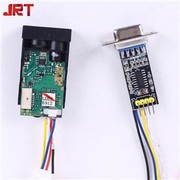 60m Rs232 Communication Laser Distance Measure Sensor
 Flange Gauge Pressure Transmitter